

Empowering the next generation of storytellers in Connecticut.
A hands-on filmmaking program for young adults in the greater CT community. From the first pitch in the fall to a summer premiere, emerging creators write, shoot, and edit a collective short film—guided by industry mentors and working professionals.
Limited seats • Priority for CT residents
For ages 17 and up
No prior experience required
Meets weekly virtually and in person
Culminates in a community screening of a collective short film
Films will be entered into the Film Festival circuit.
Join the interest list
Be the first to know when applications open for the next session.
We’ll never share your information. Parent/guardian contact required for students under 18.
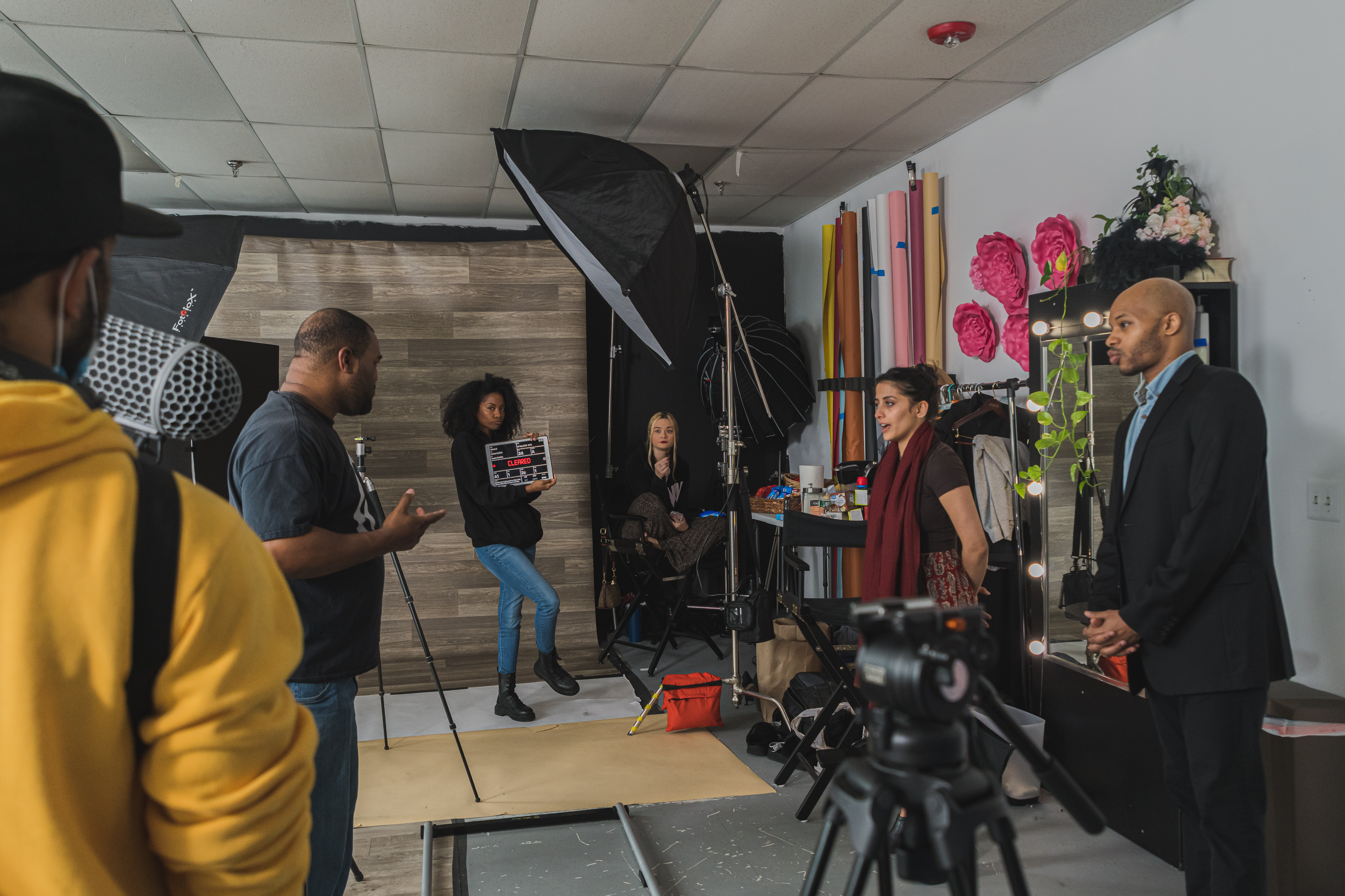
Program Snapshot
A safe, supportive space to learn the craft of filmmaking.
We pair creative exploration with industry-standard production training. Join a crew of local creatives to bring a story to life and walk away with a professional credit on a completed short film.
Who it’s for
The CT Young Filmmakers Initiative is a selective, intensive program designed to bridge the gap between amateur interest and professional craft. By providing high school seniors and young adults (ages 17 and up) with hands-on experience, industry-standard mentorship, and a collaborative environment, the initiative aims to foster a new wave of cinematic talent in Connecticut.
What they’ll do
Virtual Instruction: Kick off the program remotely by developing original story ideas and establishing professional workflows.
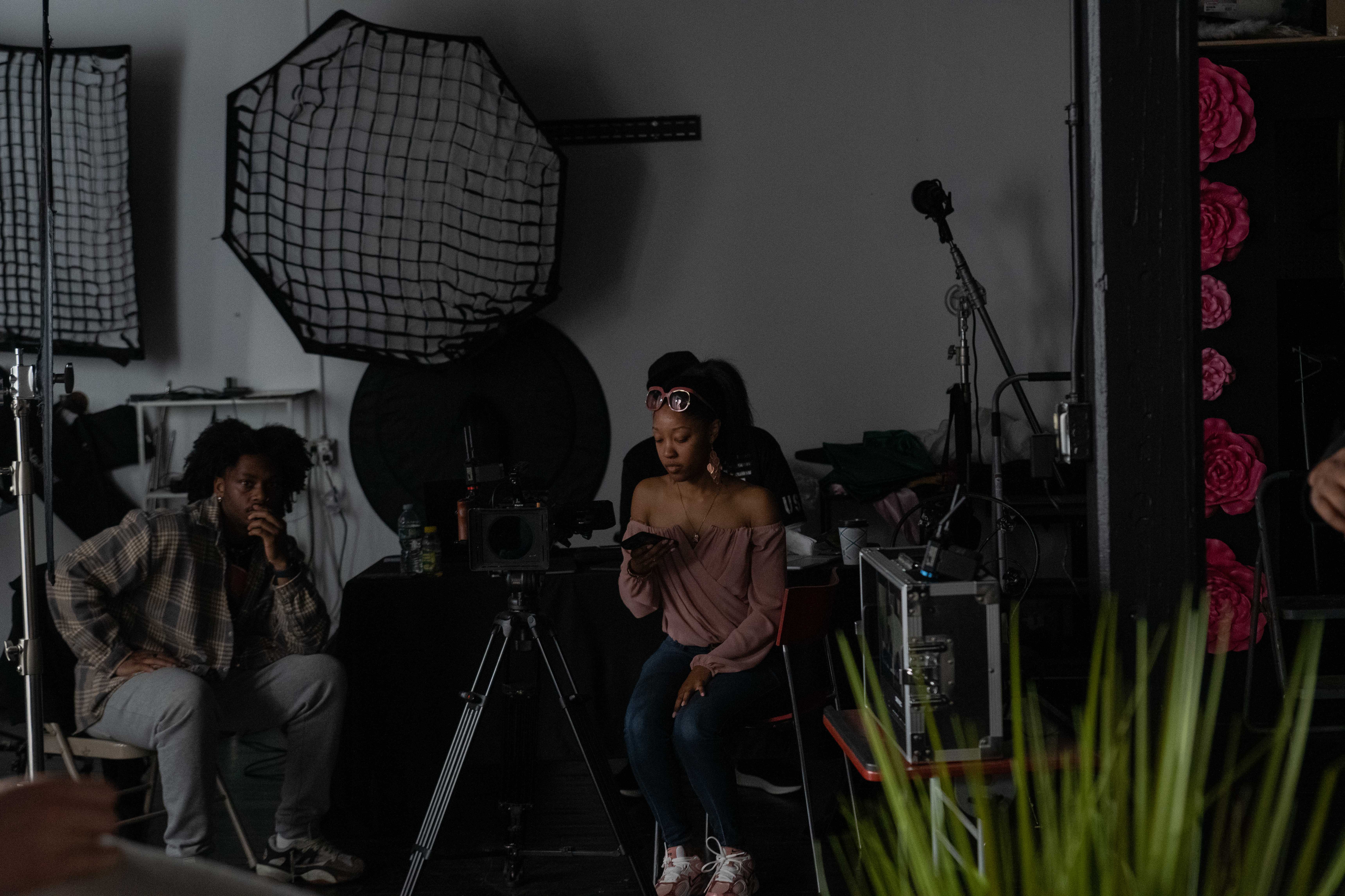
In-Person Workshops: Get hands-on experience mastering the fundamentals of camera, sound, and lighting.
Principal Photography: Collaborate as a full crew on a professional set to shoot the collective short film.
Post production: Assemble the narrative through non-linear editing, sound design, and color grading.
Festival Submissions: Wrap up post-production and strategize submitting the final cut to the film festival circuit.
Program details
Format: 12 week program for young adults
Location: Blaq Pearl Photography Studios, Bridgeport, CT
Schedule: Weeknds
Showcase: Final community screening with families & friends
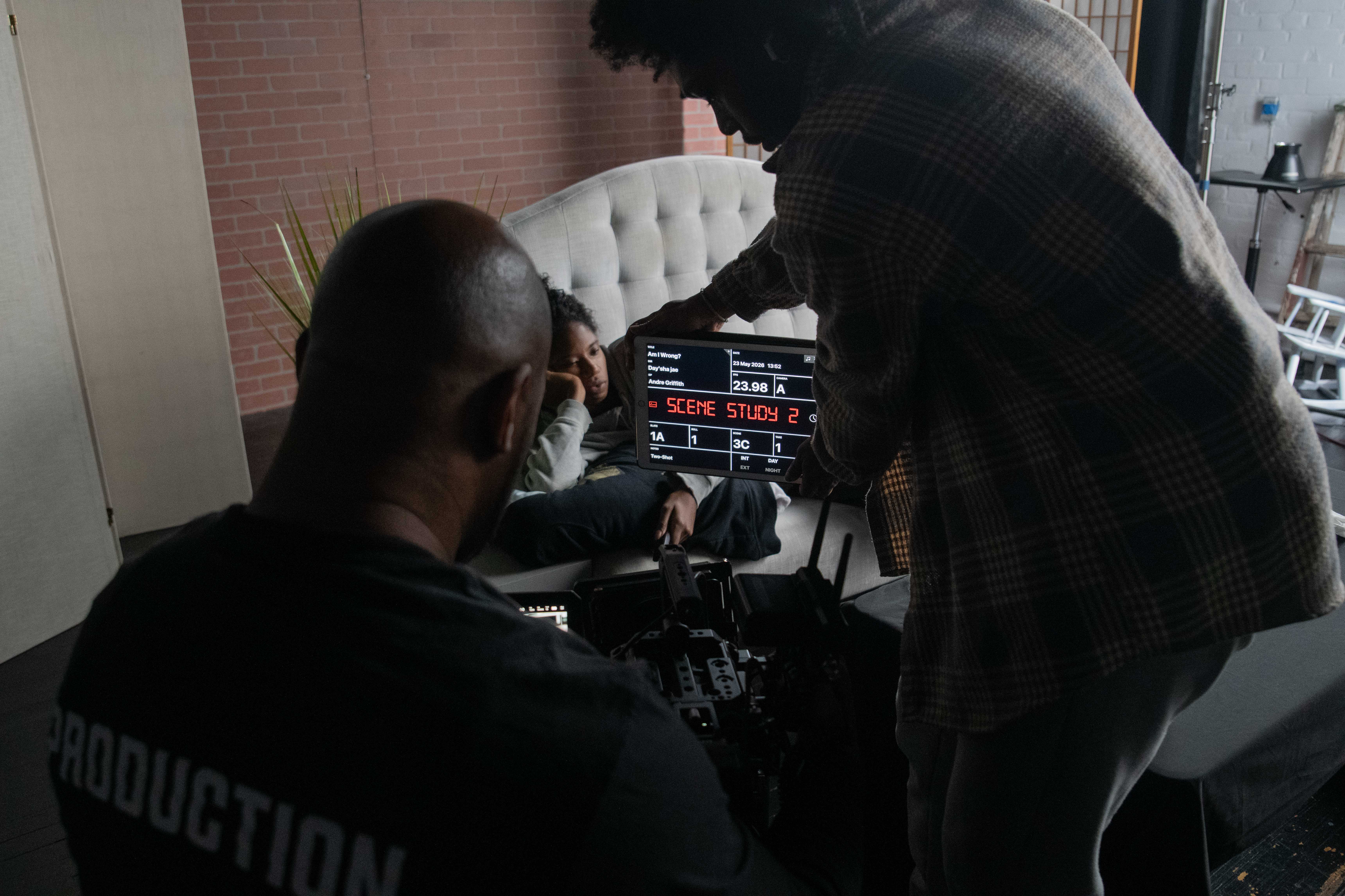
INSIDE THE COURSE
From first idea to final cut.
Each week blends creative exercises, technical demos, and hands-on crew time. Walk away with a complete short film and a clearer sense of your voice as a storyteller.
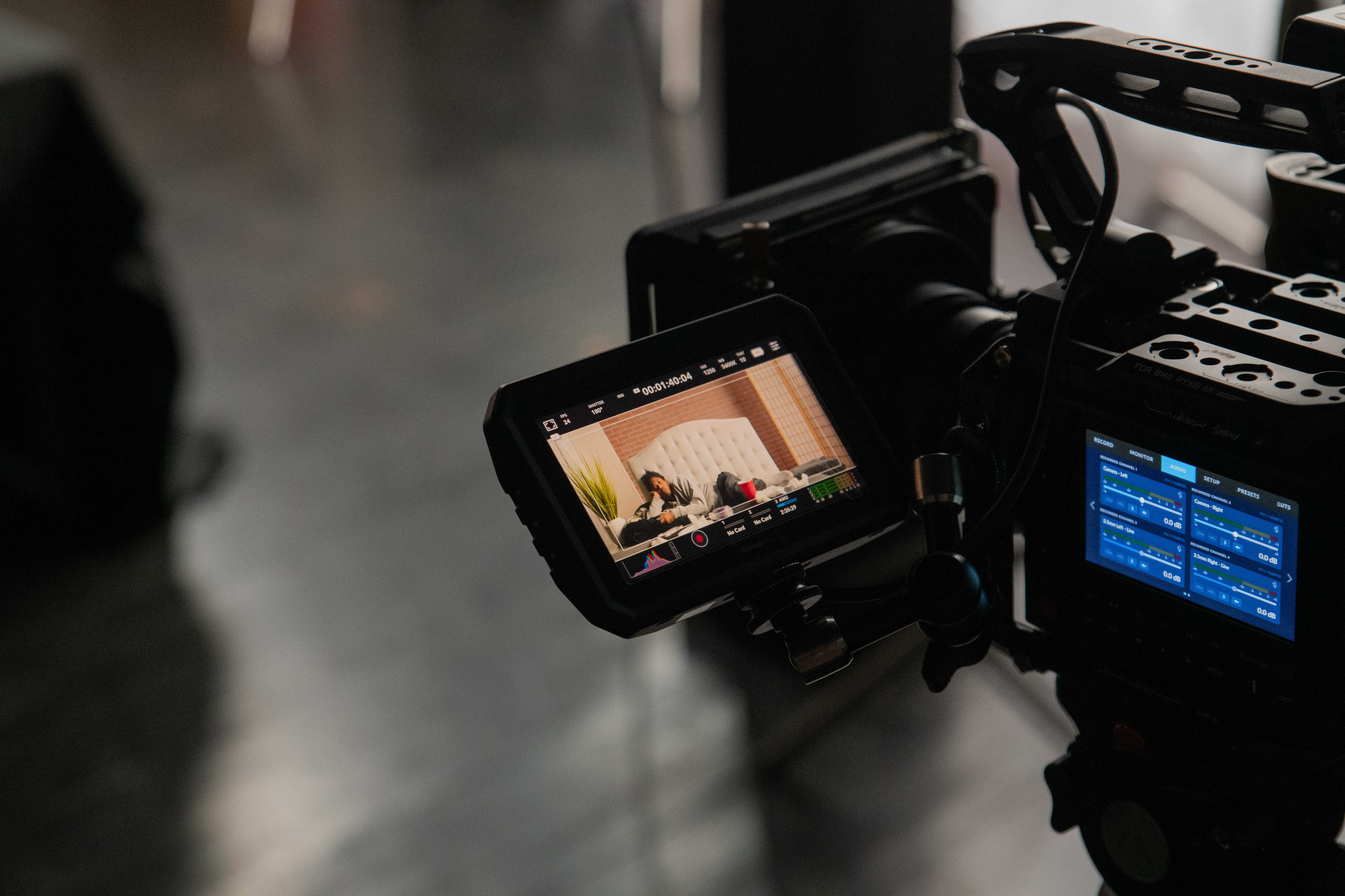
Phase 1: The Virtual Writers’ Room & Pre-Production
Focus: The Foundation
Concept & Screenwriting: Pitch ideas, develop characters, and draft the blueprint for the collective short film.
Virtual Pre-Production (Producer's Track): Break down the script, scout locations virtually, and plan the shoot schedule.
Theory & Breakdowns: Learn the foundational theory behind cinematic language, directing, and camera operation via Zoom to prep for February's gear sessions.
Phase 2: On-Set Fundamentals
Focus: The Technical Toolkit
Cinematic Fundamentals: Get hands-on with camera gear, master lens selection, and capture high-fidelity audio using industry-standard techniques.
Lighting & On-Set Safety: Learn to shape light to set a visual mood while mastering electrical basics and professional set safety protocols.
Directing & Creative Leadership: Practice blocking scenes for the camera and communicating a clear creative vision to your cast and crew.
Logistics & Preparation (Producer's Track): Build efficient shooting schedules, secure locations, and coordinate casting to ensure the crew is fully prepared for day one on set
Phase 3: Prep and Principal
Focus: Making the Movie
Gear Prep & Checkout: Assemble, test, and troubleshoot all camera, lighting, and audio equipment to ensure everything is production-ready before stepping on set.
Principal Photography (Mid-May): Collaborate as a full crew over an intensive 3-4 day shoot to bring the collective short film to life on a professional set.
Set Operations (Producer's Track): Manage daily on-set logistics, distribute professional call sheets, enforce safety protocols, and keep the production running on time and on vision.
Phase 4: Post Production
Focus: The Human Element
Non-Linear Editing: Assemble the narrative by selecting the best takes, refining the pacing, and locking the picture using industry-standard software.
Sound Design & Color Grading: Clean up dialogue, build immersive soundscapes, and color grade the footage to achieve a polished, cinematic look.
Deliverables & Marketing (Producer's Track): Oversee the post-production schedule, manage the final export deliverables, and compile promotional assets like posters and trailers.
Phase 5: Premiere & Distribution
Focus: The Guild in Action
Community Premiere: Celebrate your hard work by screening the completed short film for family, friends, and the local arts community, officially earning your professional credit.
Festival Submissions (June/July): Package the final cut and execute a targeted submission strategy to showcase the crew's work on the independent film festival circuit.
Event & Distribution Management (Producer's Track): Organize the community premiere logistics, finalize digital press kits, and track festival entries to maximize the film's audience and reach.
Audience & Engagement
Focus: Digital Marketing & Audience Building
Content Strategy & Planning: Develop a comprehensive content calendar featuring behind-the-scenes (BTS) footage, crew spotlights, and program milestones from pre-production to the premiere.
Community Engagement: Cultivate an active online presence by interacting with followers, local arts organizations, and prospective future students to grow the program's digital footprint.
Campaign Execution & Analytics: Design and launch the promotional rollout for the final community screening, tracking engagement metrics to continuously refine the program's brand voice.
Inside the Course
The Producer’s Track
Focus: Leadership, Logistics, & Vision Protection
What is a Creative Producer? The Producer is the engine of the film. They are the first one on the project and the last one to leave. More than just handling logistics, a producer is a creative problem-solver and project manager who protects the director's vision, manages the crew's resources, and ensures the film actually gets made on time and on target. This track runs parallel to the technical modules, training you to lead a real-world set.
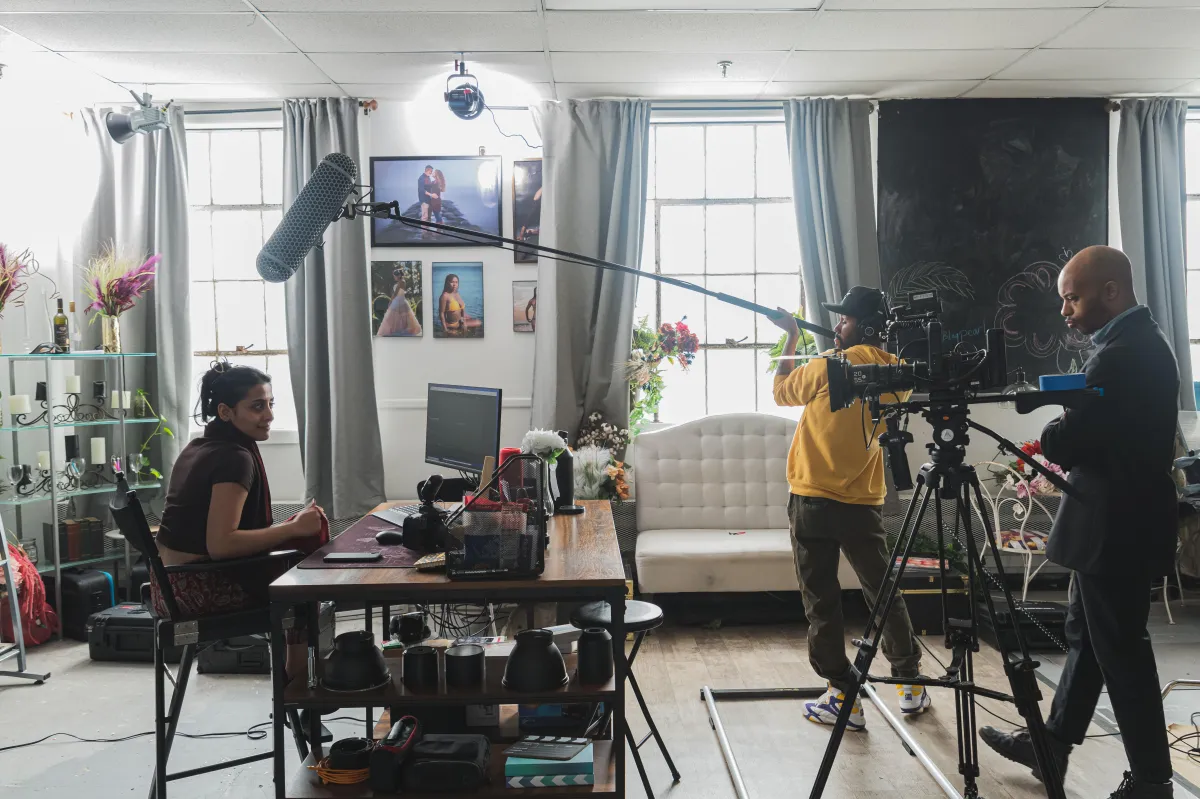
Pre-Production: Building the Blueprint
You can't shoot what you haven't planned. In this phase, producers lay the foundation for a successful set.
Script & Schedule Breakdown: Strip the script down to identify all cast, props, wardrobe, and location needs, then build a realistic, efficient shooting schedule.
Location Scouting & Casting: Secure practical shooting locations, navigate permissions, and coordinate the casting process to lock in the acting talent.
Department Coordination: Run production meetings, ensure the camera/lighting teams have finalized their gear lists, and guarantee every department is communicating before gear prep begins.
Production
When the cameras roll, the producer is the ultimate shield for the creative team.
Set Operations: Draft and distribute professional daily call sheets so every cast and crew member knows exactly where to be and when.
Time Management & Safety: Partner with the Assistant Director to keep the day on schedule, strictly enforce on-set safety protocols, and manage craft services (a fed crew is a happy crew).
Real-Time Problem Solving: Put out logistical fires and troubleshoot unscripted challenges on the fly so the director and crew can focus entirely on getting the shot.
Post-Production & Release: Crossing the Finish Line
A movie isn't finished until there's an audience. Producers steer the final deliverables
Post-Production Management: Oversee the post-production timeline, holding the editing and sound design teams to strict deadlines to ensure the final cut is locked.
Marketing Collaboration: Work hand-in-hand with the Social Media Coordinator to compile promotional assets, including digital press kits, trailers, and posters.
Festival Strategy & Premiere: Build a targeted film festival submission roadmap on FilmFreeway and organize the event logistics for the final community premiere.
Learning Outcomes
More than filmmaking—Building a community and a real world skillset.
Creative confidence
Collaborators learn to pitch original concepts, integrate professional feedback, and manage a complex project from the initial blank page to premiere night
Collaboration skills
Film sets are team sports. Emerging filmmakers practice high-stakes communication, leadership, and real-time problem-solving in a fast-paced production environment
Technical foundations
Master camera, sound, and editing workflows that serve as a launchpad for professional portfolios, industry certifications, and long-term career paths.
Community connection
Creators see their unique perspectives reflected on screen while building a lasting network with peers, industry mentors, and local arts organizations.
Educators + working filmmakers, side by side.
The CT Young Filmmakers Initiative is led by teaching artists with classroom experience and active projects in film, TV, and digital media.
Meet the FOUNDER
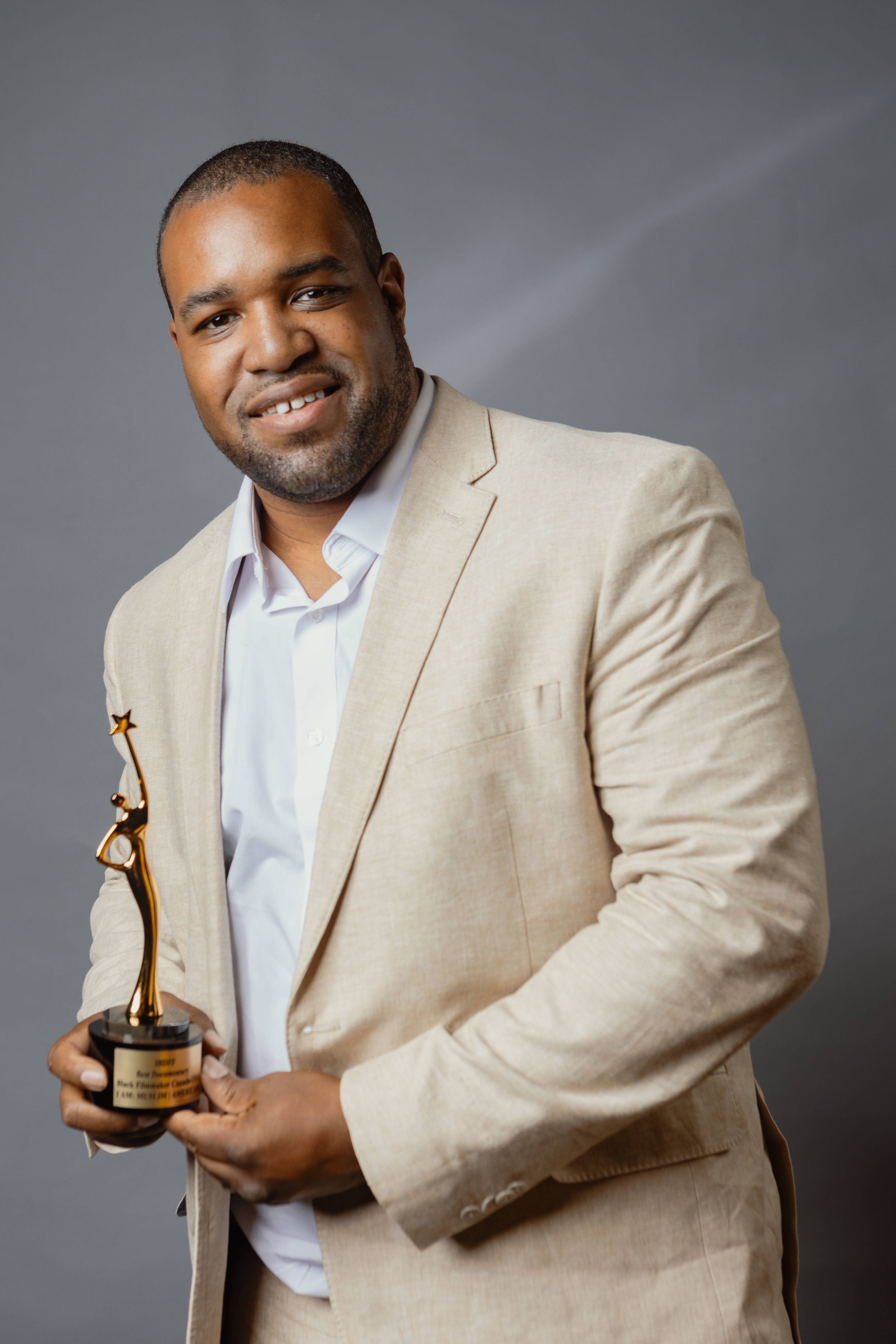
Andre Griffith
Program Director • Filmmaker & Instructor
As Program Director and Lead Instructor, Andre Griffith brings a wealth of industry experience to the CT Young Filmmakers Initiative. His work is centered on the belief that cinematic storytelling is a powerful tool for community connection. By providing hands-on mentorship and professional-grade curriculum, Andre guides young adult filmmakers in Connecticut as they bring their visions to life and build a lasting network within the local arts community.
Ready to bring your cinematic vision to the screen?
A Quick Note Before You Apply
A tuition-free initiative for emerging creators
Priority given to local Connecticut residents
Basic working knowledge of production preferred but not required.
Don't wait! Apply for the next CT Young Filmmakers Initiative cohort Today.
Have questions before you apply? Email us at [email protected]
Lights. Camera. Action!
We select a limited number of collaborators each cycle to keep our production crews small and hands-on. Add your information below and our team will reach out with next steps, key dates, and enrollment details.
Questions from CT families.
If you don’t see your question here, reach out and a member of our team will be happy to help.
Do students need prior filmmaking experience?
No. The CT Young Filmmakers Initiative is designed for beginners and students who are simply curious about storytelling and media. We’ll meet each participant where they are and offer more advanced challenges for students with previous experience.
How much does the program cost?
We are committed to keeping the program accessible. Tuition varies by session length, and we offer sliding-scale pricing and scholarships for qualifying families. Share your information above and our team will follow up with current rates and funding options.
What is the time commitment?
The core program meets once a week on a weekday afternoon (about 2 hours), plus one Saturday shoot day and an evening community screening. We ask that students attend consistently so their crews can rely on them.
Is equipment provided?
Yes. We provide cameras, sound gear, and editing stations at our partner space. Students are welcome, but not required, to bring phones or personal devices for certain exercises.
How are students supported and kept safe?
All instructors and mentors complete background checks and follow youth safety guidelines. We maintain clear behavior expectations, have adult supervision at all times, and partner with families if any concerns arise.
Help a young filmmaker see their name in the credits.
Your support keeps our initiative 100% tuition-free. Help provide the gear, resources, and mentorship our emerging creators need by making a financial contribution or donating professional equipment.
© 2026 CT Young Filmmakers Initiative · New Haven, Connecticut